Robert Saucy on the Davidic Covenant
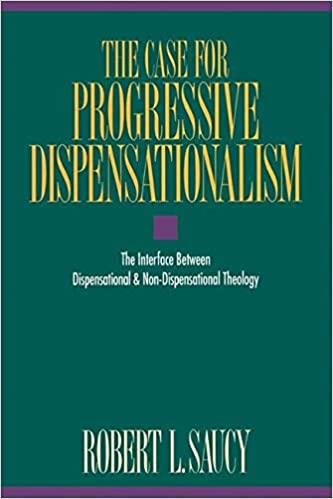
Robert Saucy attempts to provide a mediating position on the Davidic covenant between traditional and revised dispensationalism on the one hand and non-dispensationalism on the other in his chapter on the Davidic covenant in his book The Case for Progressive Dispensationalism. Saucy first examines the Davidic covenant in its Old Testament context and summarizes the…

Walter Kaiser on 2 Samuel 7:19

Walter Kaiser, in his article "The Blessing of David: The Charter of Humanity," seeks to explicate the meaning of the phrase, "this is the torah of man" in 2 Samuel 7:19. Kaiser examines the context of the passage to highlight the unconditional nature of the Davidic promise (305-07). While individuals in David's line can break…

Paul Williamson on the Davidic Covenant

After the Mosaic covenant, the next major covenant in the Scriptures is the Davidic covenant. While the word "covenant" does not appear in the classic passage of the Davidic covenant (2 Samuel 7:1-14), the concepts of covenant-making are clearly there. It may be that classic features of covenant-making ceremonies, such as a sacrfices, do not…

Peter Gentry on the Davidic Covenant

After the Mosaic covenant, the Davidic covenant is the next major covenant in the Bible's storyline. The Davidic covenant, begins God intended model of kingship for the people of Israel (443). The Davidic covenant then carries forward the purpose of the Mosaic covenant. Just as the Mosaic covenant was to be the means of fulfillment…

Blogging the Institutes | 1.17.1 | Providence Summarized

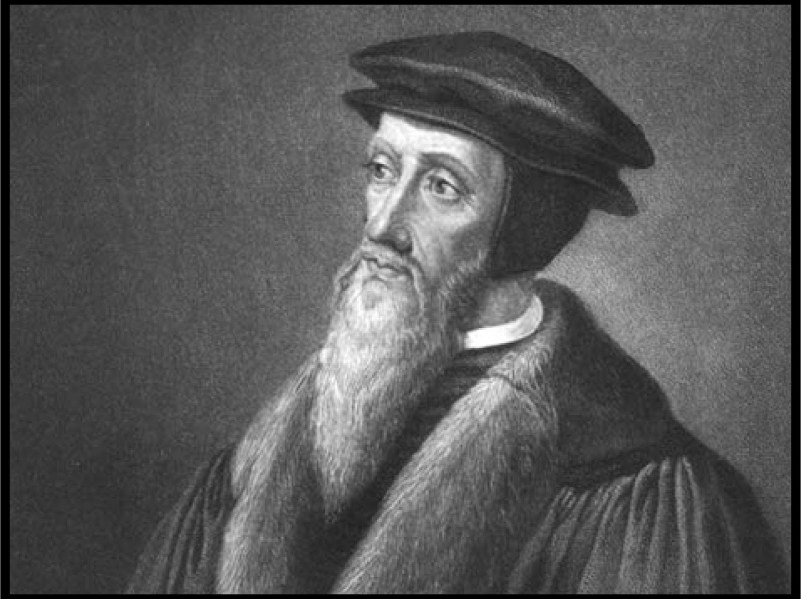
People are very prone to indulge their minds with foolish thinking. It becomes almost impossible for people who do not believe in God's providence to avoid entangling themselves in perplexing difficulties. Therefore, let's begin to looking at the purpose of why Scripture teaches that all things are divinely ordained. We need to see that, first,…

Stephen Dempster on the Mosaic Covenant

Stephen Dempster treats the Mosaic covenant in his biblical theology of the Hebrew Bible, Dominion and Dynasty. Dempster primarily exposits the Mosaic covenant in the narrative setting of the Old Testament. In other words, Dempster doesn't write a separate chapter the Mosaic covenant but treats it when it arises in the text. Dempster raises the…

Michael Horton’s View of the Mosaic Covenant

Michael Horton details his distinct view of the Mosaic covenant in his book God of Promise: Introducing Covenant Theology. According to Horton, "two very different types of covenantal arrangements" exist in the Old Testament (35). Horton believes that there are two kinds of covenants: covenants of law and covenants of promise. Yet immediately after speaking…

Blaising and Bock on the Mosaic Covenant

In the early 90s, Dallas Theological Seminary professors Darrell Bock and Craig Blaising helped to formulate a new version of dispensationalism called progressive dispensationalism. Progressive dispensationalism differed from earlier versions of dispensationalism (classic and revised) by advocating for more continuity in God's plan of redemption. Like every bibilical-theological system, the covenants place an important role…

Peter Gentry on the Mosaic Covenant

Peter Gentry in chapter nine of Kingdom through Covenant contends that the covenant God makes with Israel is central to the entire Pentateuch (339). The importance of the Mosaic covenant cannot be overstated because "it is the interpretation of how the old covenant relates to the new that is the basis of all the major…